





Tire pressure sensor failure is usually understood through the TPMS (Tire Pressure Monitoring System) warning light continuously illuminating on the vehicle's instrument panel, pressure values being unreadable on the screen, or the system giving completely inconsistent warnings; its solution includes steps such as resetting the system, renewing a depleted sensor battery, replacing a physically damaged component, or clearing fault codes in the vehicle's computer via an OBD device, depending on the source of the issue. Playing a critical role in terms of driving safety and tire lifespan, this equipment tracks the air condition in the tires instantaneously while cruising, preventing potential accidents. Making the correct diagnosis and following the appropriate solution steps in case of a failure ensures both a safe driving experience and the protection of your vehicle's fuel efficiency.
What Is a Tire Pressure Sensor?

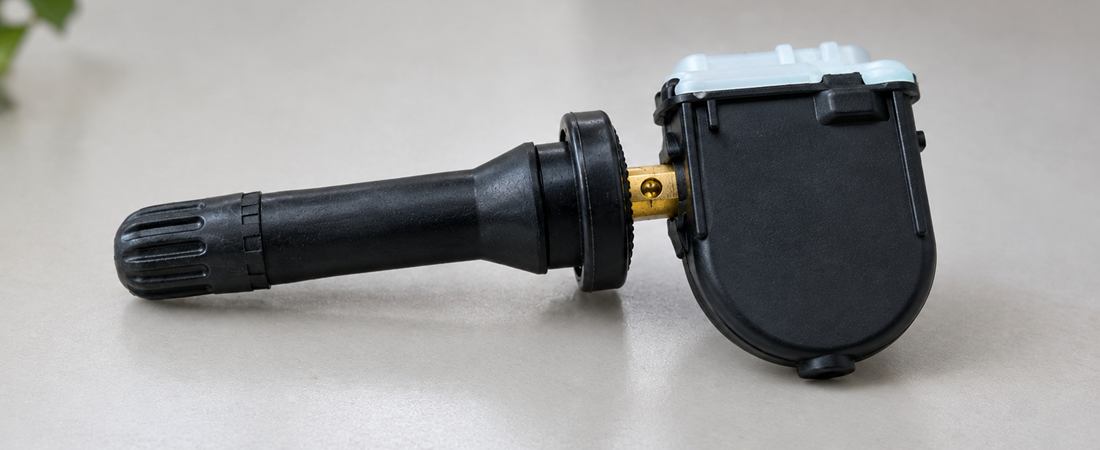
A tire pressure sensor is an electronic safety component in modern vehicles integrated into each wheel or valve mechanism that measures the air pressure and temperature inside the tires in real time and transmits this data to the vehicle's computer (ECU). Also known as TPMS, this system warns the driver via the instrument panel if the air pressure drops below ideal values or rises suddenly. Because correct tire pressure directly affects the vehicle's road handling performance, braking distance, and fuel consumption, these sensors perform a vital function.
Operating with two different core technologies, these systems vary according to their ability to perform direct and indirect measurements. While direct systems have a physical sensor inside each tire, indirect systems calculate the rotational speed of the wheels via the vehicle's ABS sensors to detect pressure loss. Today, battery-powered sensor types that perform direct measurement and communicate via radio frequency are used in most vehicles. Due to this structure, it becomes a part that requires maintenance and replacement over time owing to exposure to external elements or depletion of its power source.
How to Identify a Tire Pressure Sensor Failure?
When a failure occurs in the tire pressure sensors of vehicles, the system informs the driver through various warnings and symptoms. Observing these symptoms accurately is of great importance in understanding whether the problem stems from the tire itself or directly from the sensor mechanism.
TPMS Warning Light Continuously Illuminating or Flashing
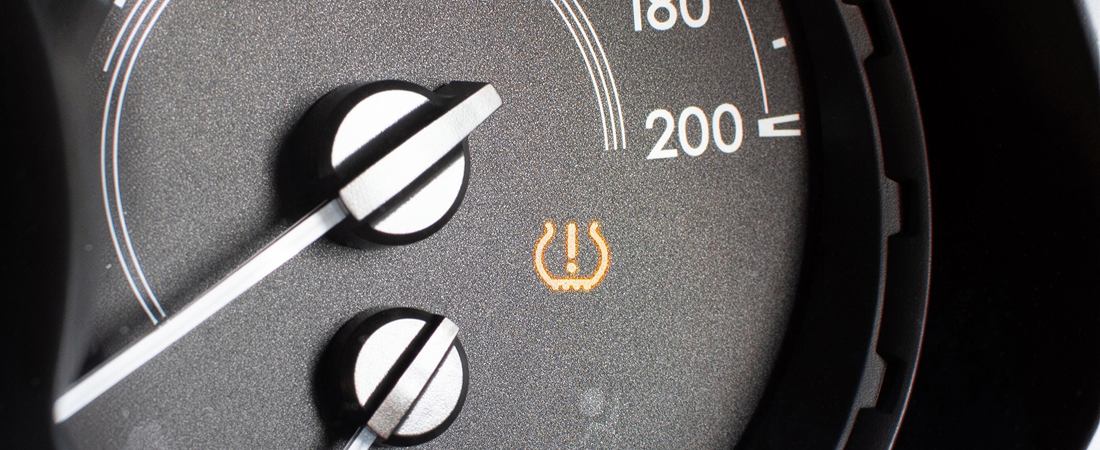
The TPMS warning light located on the instrument panel—usually depicting a flattened tire shape with an exclamation mark inside—is the indicator that provides the clearest information about the health of the system. If this light flashes for about a minute when you start the vehicle's engine and then turns into a solid illumination, this directly indicates a tire pressure sensor failure. If the light illuminates solidly without flashing at all, this usually indicates that the air pressure in one or more tires is dangerously low. The flashing behavior of the light is the vehicle computer's way of reporting that it cannot communicate with one of the sensors and that a signal loss is occurring.
Receiving Erroneous Tire Pressure Warnings
When the tire pressure sensor does not function properly, it begins transmitting unrealistic data to the vehicle computer, leading to confusing warnings.
- Even though you adjust the tire pressure to ideal levels at a gas station or with a compressor, the system may stubbornly give a low-pressure warning.
- Under normal weather conditions where air temperatures have not changed, illogical notifications regarding a sudden, excessive pressure spike may pop up on the screen.
- The system may show a wheel with completely normal air pressure as deflated, while perceiving a genuinely deflated wheel as being at normal values.
When such inconsistencies are noticed, pressure measurements should be verified immediately with a manual pressure gauge to check the operating state of the system.
Tire Pressure Values Not Appearing on the Screen
In vehicles equipped with advanced trip computers, the pressure value of each tire is displayed on the screen individually in bars or PSI. However, when a tire pressure sensor fails, dash lines or a completely blank area usually appear on the information screen for the corresponding wheel. Because the vehicle computer receives no data from the sensor, it cannot calculate or display the current state of that wheel. This signal loss can stem from a broken radio transmitter inside the sensor, a completely dead battery, or a communication issue in the vehicle's receiver module.
Signs of Physical Damage or Breakage
Because sensors are generally positioned right behind the tire valve stem, they are highly exposed to external physical impacts. Visual inspections revealing abnormalities such as bending, cracking, or breaking in the valve stem body are definitive proof that the sensor is mechanically damaged. Sometimes, visible destruction on the outer surface occurs as a result of overtightening or oxidation of the valve cap. Any scraping or impact marks around the wheel rim are also among the physical symptoms suggesting that the internal sensor may have sustained damage.
Why Does a Tire Pressure Sensor Fail?
Possessing an electronic and sensitive structure, tire pressure sensors can lose their functionality over time due to harsh road conditions and environmental factors. Knowing the root causes of the failure is a critical step to extend the system's lifespan and prevent potential problems.
Sensor Battery Completing Its Service Life
Inside tire pressure sensors are lithium-ion batteries that allow the system to communicate wirelessly with the vehicle computer. These batteries generally have a lifespan of 5 to 10 years, depending on the frequency of vehicle use and ambient climate conditions. On cold winter days, battery capacity may drop faster, causing communication interruptions. When the battery completes its lifespan entirely, the sensor stops sending signals, and the system directly enters a failure state. Because the batteries of sensors are usually pressed into the body, replacing the entire part is necessary when it runs out, rather than just the battery.
Physical Damage Caused by Impacts and Potholes

Hitting deep potholes on the road at high speeds while driving, passing harshly over speed bumps, or striking the tire against a curb is one of the sensor's biggest enemies. Severe impacts that the rim and tire cannot absorb are transmitted directly to the valve mechanism and the sensor inside the rim. These shocks cause delicate solder joints inside the sensor to break, the electronic circuit to crack, or the component to snap off from where it attaches to the rim. Vehicles using low-profile tires are particularly more prone to such physical impacts damaging the sensor.
Water Contact, Corrosion, and Oxidation
Although tire pressure sensors are designed for tough conditions, road puddles, mud, snow, and de-icing salts cause corrosion over time. Especially in cases where valve caps are missing, water and dirt contact the metal or aluminum body directly, initiating the rusting and oxidation process. Corrosion causes the seals ensuring airtightness to degrade and allows moisture to reach the sensor's electronic circuits. Even the smallest amount of moisture leaking onto the circuit board causes a short circuit, rendering the sensor completely dysfunctional.
Incorrect Tire Replacement and Mounting

Human errors made during tire replacement or repair are among the most common causes of sensor failures. Careless pressure applied near the sensor area by tire levers and similar tools used to separate the tire from the rim causes the part to break within seconds. Likewise, improper alignment of the sensor when mounting a new tire, tightening with excessive torque, or failing to replace O-ring seals during assembly shortens the system's lifespan. Therefore, tire demounting and mounting procedures must be performed by personnel experienced in TPMS and equipped with appropriate tools.
How to Resolve a Tire Pressure Sensor Failure?
Following the observed symptoms and causes, correct solution methods must be applied to eliminate sensor failure. The resolution process can consist of different stages, ranging from a simple calibration procedure to component replacement.
Restarting the System (Resetting)
After manually correcting tire pressures, restarting the system so that it can detect the new values is often the first solution attempted. Many vehicle models have a TPMS reset option in the glove box, below the steering wheel, or directly in the multimedia screen menus. After bringing all tires to the ideal pressure specified in the vehicle's factory data, this reset process is initiated, and the vehicle needs to be driven on a flat road for a certain period (usually 15-20 minutes). During this process, the vehicle computer stores new frequencies and pressure data coming from all sensors into its memory to calibrate the system, and if there was a temporary signal error, the warning light turns off.
Replacing the Sensor Battery
If diagnostic tools indicate that the problem stems entirely from a depleted battery, renewing the power source comes onto the agenda. In some new-generation or modifiable sensors available on the market, the battery cover can be opened to replace the internal lithium battery with a new one. After changing the battery, the sensor cover is made waterproof again using silicone or special insulating materials. However, because the battery is soldered to the circuit and sealed with resin in almost all standard factory-fitted sensors, this process is not an applicable solution for every sensor model.
Replacing the Faulty Sensor with a New One
For sensors that are physically broken, corroded, or have non-replaceable batteries, the single most reliable solution is to replace the faulty component entirely with a new one. The replacement process requires separating the tire from the rim and removing the old sensor. When mounting the new sensor to the rim, fresh seals and valve cores must be used. Merely fitting the part in place is not enough; the unique ID code possessed by the new sensor must be registered to the vehicle's control unit (ECU). If pairing is not performed, the fault light will continue to illuminate because the vehicle cannot recognize the new part, even if the sensor works without issues.
Clearing Fault Codes from the Vehicle Computer (OBD)

Even though a sensor replacement has been carried out or physical issues have been resolved, the vehicle computer may continue to hold the old error in its memory. To solve this situation, an OBD2 diagnostic device is connected to the vehicle's socket, and stored TPMS fault codes in the computer are scanned. Past fault records found are cleared via the device, completely resetting the system. Professionally clearing fault codes speeds up the adaptation process of new sensors and allows the vehicle's electronic system to make a clean start, permanently eliminating the issue.
Frequently Asked Questions About Tire Pressure Sensors
Drivers have many questions regarding tire pressure monitoring systems. Knowing the answers to these questions helps you manage vehicle maintenance routines more consciously.
Can a Vehicle Be Driven While the Tire Pressure Sensor Is Faulty?
While the tire pressure sensor is faulty, there is no direct restriction on the vehicle's engine, transmission, or running gear, so the vehicle can physically continue to be used. However, because the system is not working, the driver will not notice a sudden tire blowout on the road or a gradually deflating wheel in time. This situation poses a serious accident risk, especially for vehicles traveling at high speeds. To avoid risking driving safety, long-distance journeys with a faulty sensor should be avoided, and the problem should be resolved as soon as possible.
Can a Tire Pressure Sensor Be Repaired?
The vast majority of sensors used in the automotive industry are produced as sealed units filled with a special insulating resin to provide complete protection against water and dust. This structure makes reaching the circuit board inside the sensor and repairing broken electronic components almost impossible. Minor repairs using service kits can only be performed in mechanical situations such as broken valve stem tips or worn O-ring seals. However, if an electronic failure is at hand, component replacement is inevitable.
How Long Does a Tire Pressure Sensor Battery Last?
The average vehicle tire pressure sensor battery has a lifespan between 5 and 10 years under normal operating conditions and in temperate climates. When considered on a mileage basis, this timeframe generally corresponds to a range of 100,000 to 150,000 kilometers. Sensor batteries do not consume energy continuously; they enter sleep mode while the vehicle is parked and only wake up to send signals when the wheels start rotating at a certain speed. Drivers who use their vehicle very frequently and continuously go on long journeys can expect these batteries to deplete sooner.
Does a Sensor Failure Pass Vehicle Inspection?
According to TÜVTÜRK vehicle inspection standards applied in Turkey, the non-operation of the tire pressure monitoring system (TPMS) or the illumination of the fault light on the instrument panel is generally evaluated as a "minor fault." In other words, your vehicle will not fail inspection due to this fault and can receive approval. Nevertheless, it should not be forgotten that inspection regulations may be updated over time. Furthermore, passing inspection by being considered a minor fault does not mean this failure can be ignored; because it is a system that fully protects your life safety, its repair should not be neglected.
Should the Sensor Be Replaced with Every Tire Change?

Replacing sensors during seasonal summer and winter tire swaps or when tires wear out and are renewed is not a mandatory procedure. If the existing sensors transmit pressure data without issues and their batteries are not depleted, they can continue to be used on the same rim. However, renewing the rubber seals, washers, and valve core mechanism (service kit) that ensure the sensor's airtightness when the tire is demounted is strongly recommended. This minor maintenance largely eliminates the risk of air leaks occurring from the rim edge or valve stem in future periods.
In conclusion, a tire pressure sensor failure is a technical issue closely concerning driving safety that should never be ignored. In the process starting with the illumination of the warning light, it is possible to identify the source of the failure using correct diagnostic methods. Problems such as battery depletion, physical damage, or oxidation can easily be resolved through reset procedures or component replacements. Performing your vehicle's tire maintenance regularly and resolving sensor failures on time ensures a safe journey and protects your budget through fuel and tire savings.