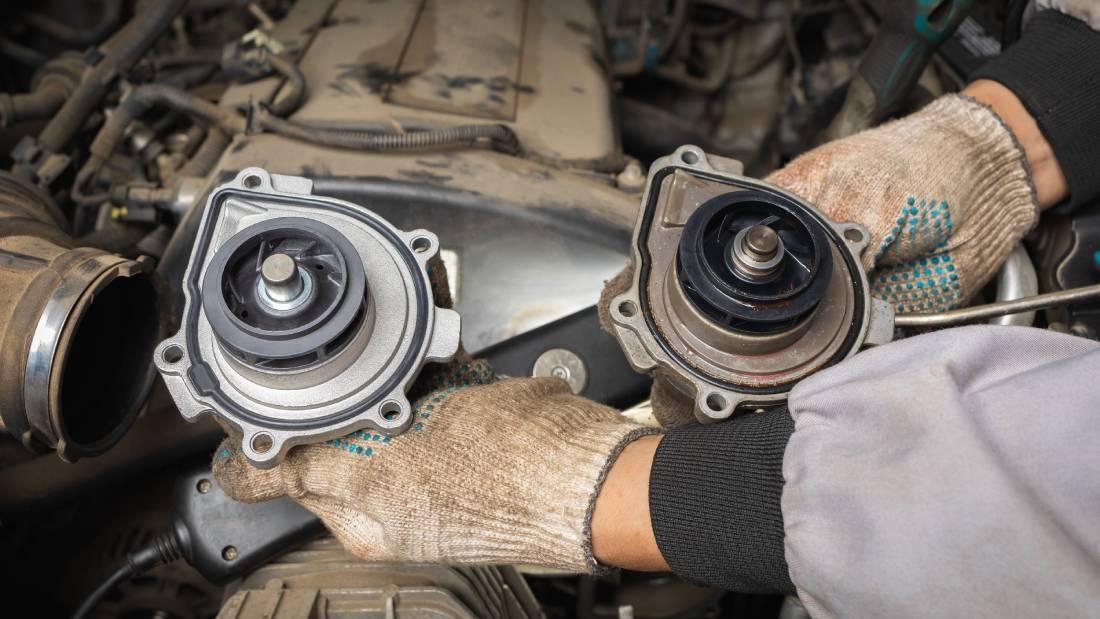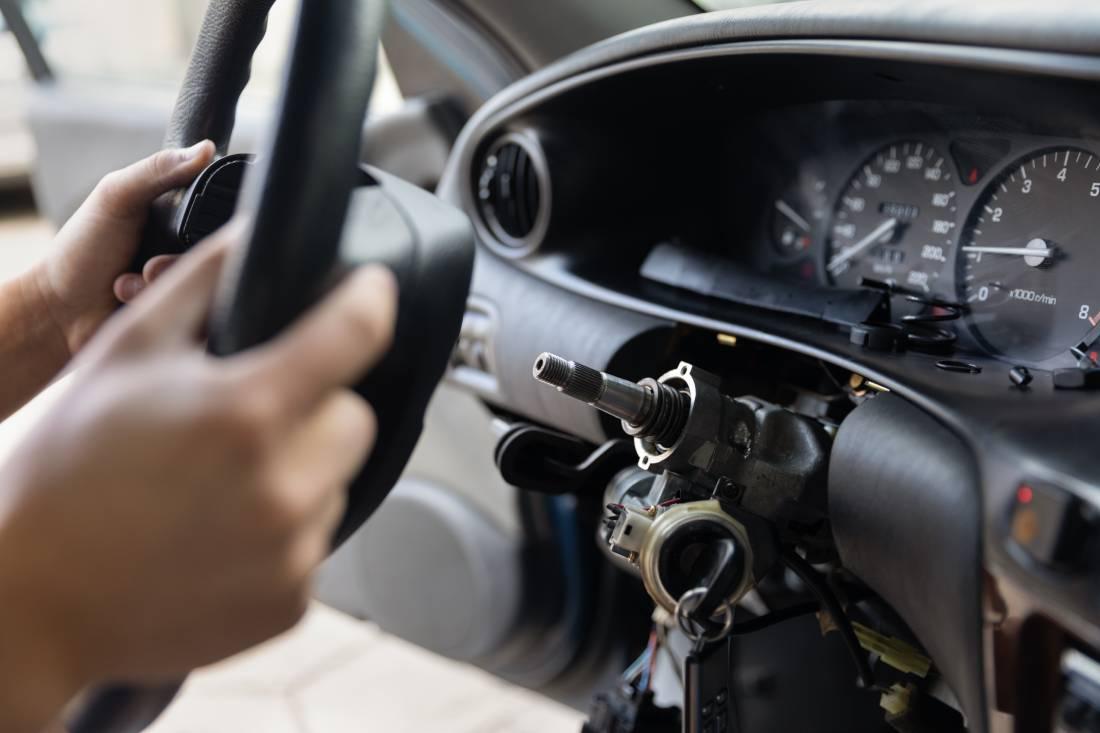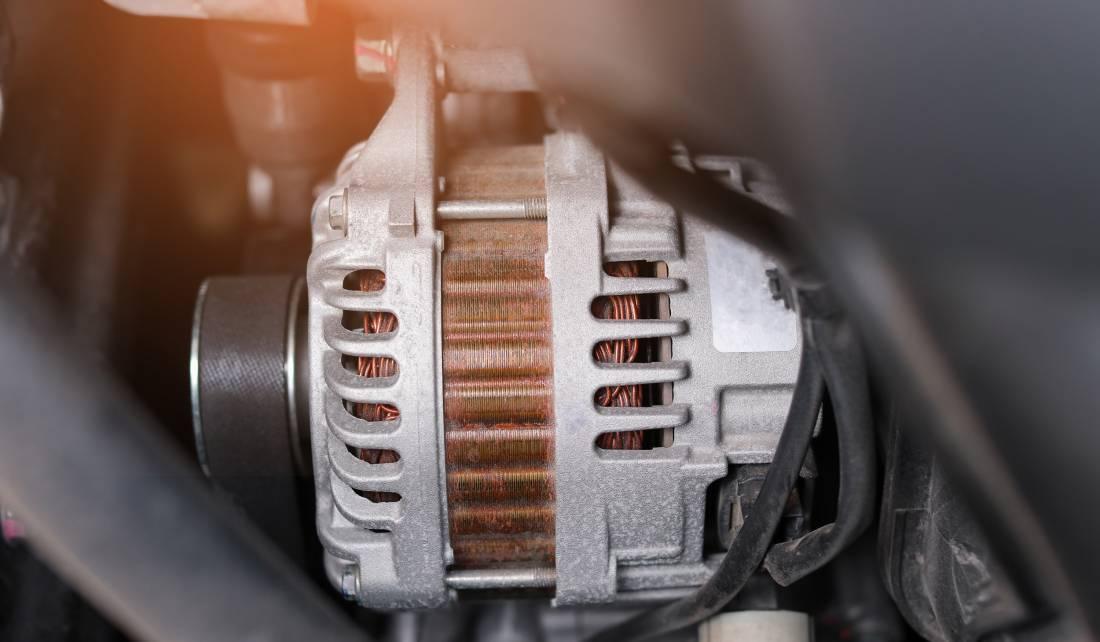







Genuine spare parts are manufacturer-approved parts that directly affect vehicle performance and safety. Although counterfeit products provide savings in the short term, they can cause serious malfunctions in the long term. For this reason, it is of great importance to understand whether the spare parts used in your vehicle are original or not.
What is an Original Spare Part?
Genuine spare parts are parts that have been manufactured and tested in full compliance with the vehicle manufacturer's standards and specifications. These parts are usually produced under the manufacturer's own brand or by licensed suppliers. For example, Renault original parts are offered under the “Renault” brand or labeled by its authorized parts manufacturers. These OEM (Original Equipment Manufacturer) stamped products are of the same quality as the parts that are initially installed in the vehicle.
Original spare parts that undergo quality control processes directly affect the safety, performance and fuel efficiency of the vehicle. Furthermore, the use of these parts does not affect the warranty process. On the contrary, some manufacturers require the use of original spare parts for warranty continuity. Therefore, when replacing parts, attention should be paid not only to the price but also to the originality of the part.
How Do We Know If Vehicle Replacement Parts Are Genuine?
When a new part is fitted to your vehicle, some basic checks should be carried out to determine if it is indeed genuine. First, the part should have identifying information such as the manufacturer's logo, barcode and serial number. This information is important for both physical inspection and digital interrogation. Counterfeit parts often contain poor quality prints, missing labeling or non-manufacturer logos.
The service center where the part was installed is also an important indicator. Authorized workshops usually only use genuine manufacturer-approved parts. The invoice and parts box provided after replacement should be kept and the serial number should be verified by checking the serial number on these documents. The “original parts verification” services offered on the official websites or mobile applications of manufacturers are also very functional at this point. With these methods, authenticity can be verified for both new and second-hand parts.
How to Inquire for Genuine Vehicle Spare Parts by Serial Number?
Genuine vehicle spare parts always have a serial number or part code on them. This number is registered in the manufacturer's database and is one of the most reliable methods to verify the authenticity of the product. You can query this number on the spare part purchased for your vehicle on the manufacturer's official website or mobile application to find out whether the part is genuine or not. For example, global manufacturers such as Bosch, Valeo and Delphi offer their users a serial number verification service. Thanks to this service, you can obtain detailed data about the part such as production date, compatibility information and for which vehicle models it is designed.
Checking the serial number is a critical step to ensure the authenticity of second-hand parts or parts obtained from private services. Especially when it comes to safety-critical parts such as engine, brakes and suspension, checking this number directly affects vehicle performance and road safety. Some major brands also offer digital labels with QR codes for original vehicle spare parts purchases. These codes can be scanned with a mobile device and connected directly to the manufacturer's system for real-time verification. This not only increases your driving safety but also protects you from the risk of counterfeit parts.
Most Counterfeited Vehicle Spare Parts Types
Vehicle spare parts are one of the most common areas where counterfeit products are encountered in the automotive industry. Especially parts that are in high demand, frequently replaced or costly are attractive targets for counterfeiting. Although counterfeit parts may look like original vehicle spare parts at first glance, they have significant differences in terms of quality, durability and safety. This puts not only the performance of the vehicle at risk, but also driving safety.
The most commonly counterfeited parts include brake systems (pads and discs), oil and air filters, spark plugs and bulbs, engine oil, transmission parts. These parts are targeted by counterfeiters both because they are frequently replaced during routine maintenance and because they are directly related to vehicle safety. The risk of counterfeit parts is especially high for products sold over the internet with extremely low prices. Using original spare parts compatible with your vehicle reduces long-term maintenance costs and guarantees your safety. It should not be forgotten that a fake brake pad can cause a fatal accident.
Vehicle Brake Pads and Discs
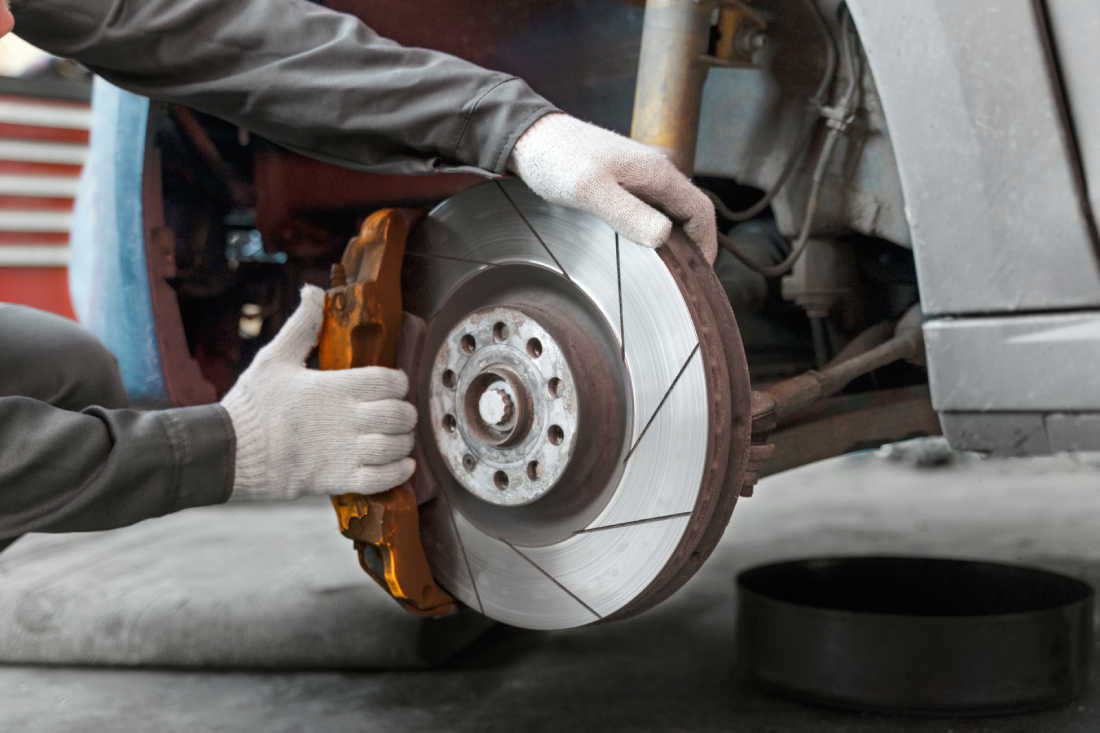
Brake pads and discs are among the most critical spare parts for vehicle safety and are therefore among the products most often counterfeited by counterfeiters. Original vehicle brake pads are tested according to the thermal resistance, braking power and wear tolerances set by the manufacturer. However, since counterfeit pads do not pass these tests, they cannot do their job in sudden braking and may cause accidents.
Genuine brake pads usually come with the manufacturer's logo, serial number and safety tape. The box should also contain quality certificates such as the ECE R90 certificate. In the case of discs, the surface coating, drilling pattern and thickness tolerances are much more precise than with genuine parts. Counterfeit brake discs can crack or show uneven wear within a few thousand kilometers. For something as vital as your vehicle's braking system, you should always use original spare parts.
Vehicle Air and Oil Filters
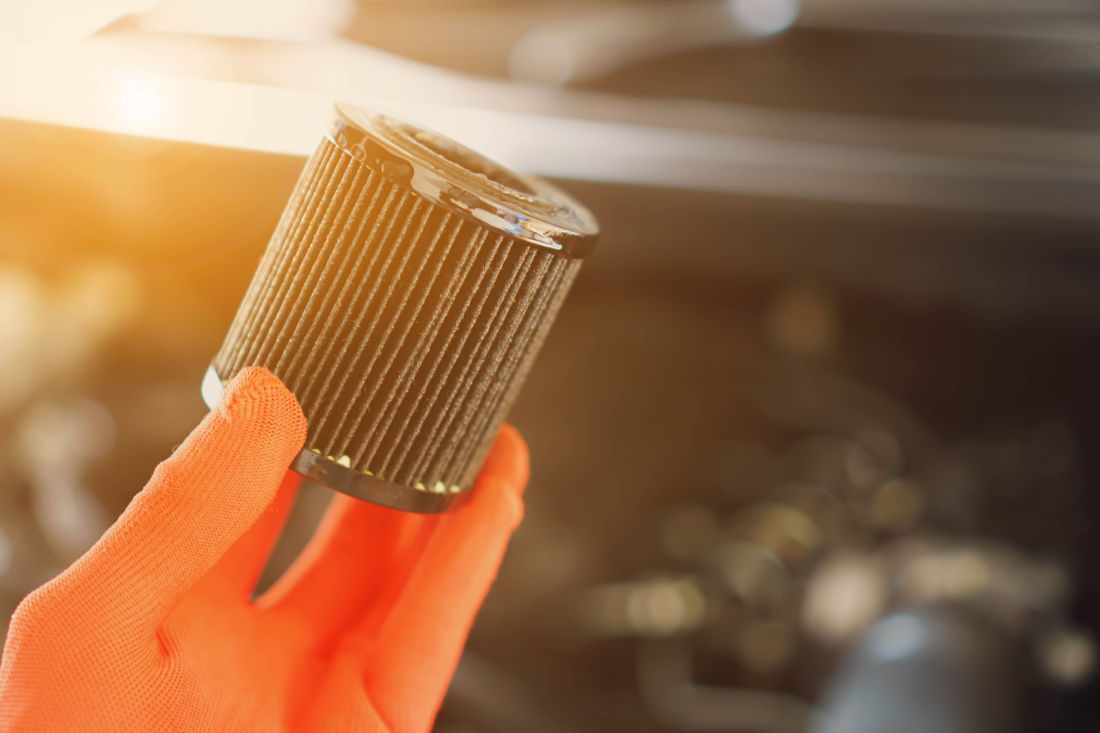
Air and oil filters are essential for the healthy operation of the engine. These parts filter the air and oil entering the engine and prevent dirt, dust and metal particles. However, counterfeit filters are made of low-quality materials and have a low filtration capacity. Over time, this leads to engine wear, loss of performance and higher fuel consumption. For example; a fake oil filter cannot fully filter the particles in the oil and may cause damage to the engine bearings.
Filters that are original vehicle spare parts provide filtration at micron levels specified by the manufacturer. The filters usually have a manufacturer code, production date and reference number on the outside. The brand logo and quality certificates should be on the packaging. In addition, original filters last longer; for example, a quality oil filter can last between 10,000-15,000 km, while counterfeit filters can last up to 3,000 km. Therefore, using original parts at maintenance times not only prolongs the life of the engine but also offers a lower risk of failure.
Vehicle Spark Plugs and Bulbs
Vehicle spark plugs and bulbs are parts that directly affect both engine efficiency and road safety. While the spark plug ensures the ignition of fuel in the engine, the bulbs determine the clarity of vision during night drives. Since the metals used in counterfeit spark plugs are of low quality, the sparking power is weak and engine misfires can occur. Likewise, counterfeit bulbs provide insufficient illumination, which can lead to an accident. Counterfeiting of these parts is often found in low-cost and widely available products.
For genuine spark plugs, electrode spacing, heat values and durability are determined by manufacturer standards. As for car bulbs, genuine products are ECE approved and do not burn out or flicker in a short time. The part is labeled with the manufacturer's name, voltage and product code. Especially for high-tech bulbs such as xenon and LED headlights, original spare parts must be used.

Engine Oils and Transmission Parts
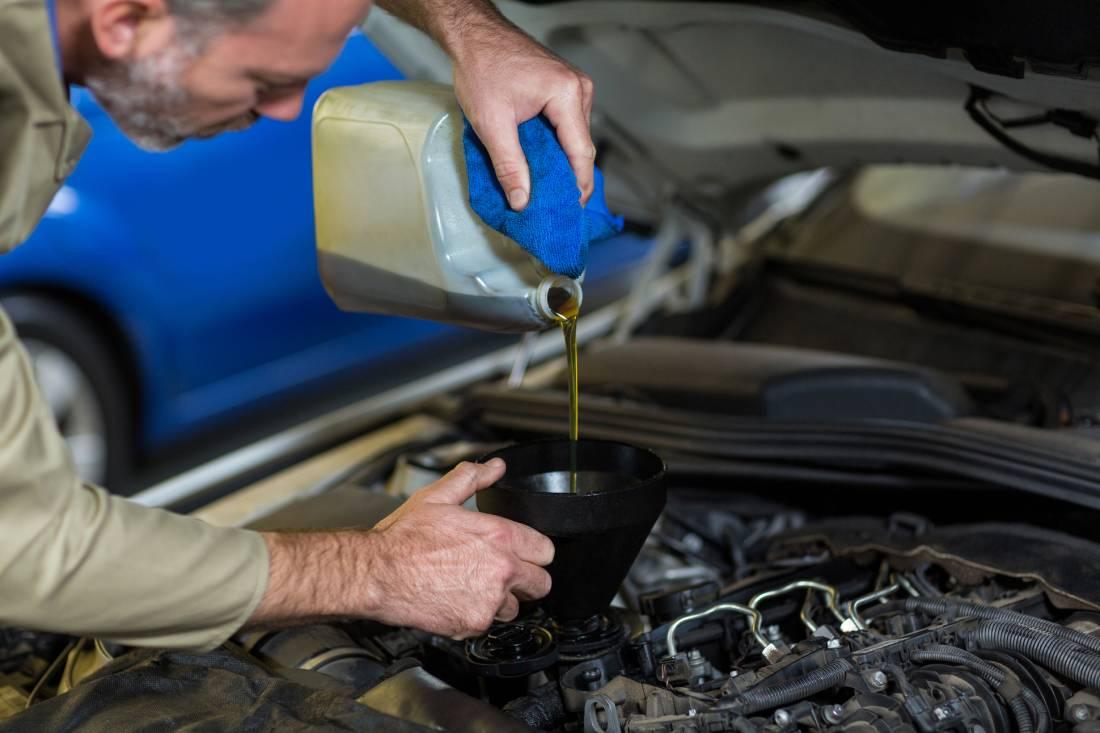
Engine oil ensures that all moving parts of the engine work properly and minimizes friction. Counterfeit engine oils, on the other hand, do not have the correct viscosity, may contain impurities and can sludge the inside of the engine over time. This leads to serious engine failures. Using genuine engine oil not only prolongs engine life but also maintains performance. It is very important to stick to the oil brand and viscosity values recommended in your vehicle's manual.
Transmission parts are similarly components that are manufactured with high precision and are expected to last a long time. Gear structures, clutch systems and transmission components must work flawlessly. Counterfeit transmission parts can cause problems with stiffness, vibration and noise in gear shifts over time. Genuine vehicle transmission parts are usually only available through authorized service centers and each is identified by a specific production number. The packaging of these parts must include the manufacturer's brand, reference codes and quality certificates.
What to Consider When Buying Original Spare Parts?
When buying original spare parts, you must first make sure that you are purchasing the part from a reliable and authorized dealer. Authorized dealer lists on the official website of the manufacturer brand are the safest sources to access the original part. The part packaging should include verification elements such as the manufacturer's logo, barcode, QR code, hologram and product code, and this information should be queryable. It is also important that you receive an invoice with the product, both for warranty validity and product verification.
If the price of the part is far below the original product standards, you should be skeptical. Because original spare parts have a certain quality standard, they cannot fall below a certain cost. The product's box, print quality, certificates (such as ECE R90, ISO 9001) should be examined, and products that appear incomplete or of low quality should not be purchased. Especially for brake, suspension, engine and electrical system parts, authenticity checks are of vital importance. When selecting suitable parts, the vehicle's chassis number or OEM part code must be checked for compatibility.