





Steering pump failure can easily be understood through sudden heaviness occurring in your steering wheel during maneuvers, high-pitched or humming noises heard while turning the steering wheel, and hydraulic fluid leaks appearing where the vehicle is parked. Directly affecting driving comfort and life safety, this situation usually stems from a loss of pressure in the hydraulic system or the wear of internal mechanical parts over time. Even the smallest difference you feel in your vehicle's steering capability may be an early sign that the system is not working properly, and as a driver, it is quite easy to prevent major repair costs by correctly interpreting these physical and auditory symptoms.
What is a Steering Pump?

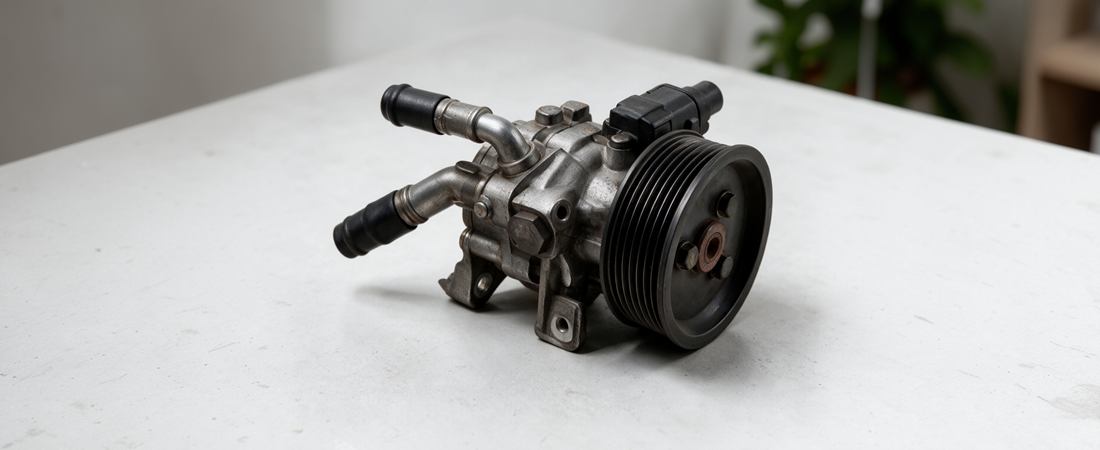
The steering pump is a vital mechanical component in vehicles with a hydraulic power steering system that minimizes the physical force applied by the driver when turning the steering wheel. Its primary duty is to convey hydraulic fluid under high pressure to the steering gear, enabling the wheels to turn much more easily, quickly, and smoothly. Driven by the crankshaft of the engine, this pump continuously circulates fluid to keep the pressure in the system balanced according to the vehicle's speed and maneuvering angle.
The importance of this part becomes much more pronounced, especially in heavy urban traffic, during parking maneuvers in tight spaces, or while cruising at low speeds. Without this mechanism, steering the front wheels—which are also subject to the weight of the engine—would require significant physical effort. Therefore, the smooth and quiet operation of this equipment, described as the heart of the steering system, is one of the most fundamental requirements for a comfortable driving experience and road safety.
How to Identify a Steering Pump Failure?

Detecting a problem in your vehicle's hydraulic steering system is possible by observing certain distinct abnormalities during driving. These mechanical or fluid-related issues send various physical sensations and auditory warnings to the driver, signaling that the system needs urgent maintenance.
Stiffening of the Steering Wheel
The most common and prominent symptom indicating that the steering pump is losing function is that the steering wheel becomes much heavier and stiffer than normal. When the pump cannot send hydraulic fluid to the steering box at sufficient pressure, the support provided by the system disappears, and the driver must counter all mechanical resistance using their own muscle power to turn the wheels.
This stiffening is felt much more noticeably, especially when starting the vehicle in the morning or trying to maneuver at idle speed. Over time, this situation directly endangers driving safety, as making sudden maneuvers or avoiding obstacles in emergency situations at highway speeds becomes impossible. The moment you feel a loss of power in your steering wheel compared to before, you can easily understand that there is a serious deficiency in the pressure-generating capacity of the hydraulic system.
Noises When Turning the Steering Wheel
A healthy and properly working hydraulic steering system should be almost completely silent. However, if you hear metallic friction, a deep whining, humming, or a high-pitched belt squeal when turning the steering wheel to the right or left, it is clear that the pump is severely overloaded. These disturbing sounds usually occur when there is insufficient hydraulic fluid in the system, causing the internal metal parts to rub against each other aggressively.
In addition to fluid deficiency, the failure of bearings inside the pump or physical damage to the vanes can also be the main source of these noises. The intensity of these sounds usually peaks as engine speed increases or when you turn the steering wheel to full lock. Auditory warnings allow you to notice the failure at an early stage, and if left unaddressed, they are a definite harbinger that the pump will seize and become completely unusable.
Hydraulic Fluid Leaks
If you see a reddish or brownish fluid dripped onto the ground after parking your vehicle for a while—especially under the front bottom section of the engine—this is clear evidence of a leak in the system. The pump body, connection fittings, pressure hoses, and seals may lose their sealing properties over time, unable to withstand high heat and wear.
This leaking fluid is directly power steering fluid, and since the system must operate as a closed circuit, leaking outward means the internal operating pressure drops rapidly. When a fluid leak starts, the lubrication and cooling of the mechanism are prevented, causing the pump to overheat. When you open the hood and check the hydraulic reservoir tank, if you see that the level has dropped below the minimum line, there is a leak in the system requiring urgent intervention.
Vibration and Play in the Steering Wheel
Abnormal vibrations occurring in the steering wheel during driving are a clear indication that hydraulic pressure is not being transmitted to the wheels smoothly and continuously. Physical damage inside the pump or air bubbles entering the system through leaks cause the hydraulic power to fluctuate during transmission, reflecting to the driver's hands as mechanical vibration.
Furthermore, when you turn the steering wheel slightly and the wheels do not respond immediately—meaning a feeling of play occurs in the system—it indicates that the pump cannot fully perform its duty. This delay or vibration in the vehicle's roadholding and its response to the driver's maneuvering inputs not only ruins comfort but also directly increases the risk of losing control at high speeds.
Why Does a Steering Pump Fail?
Behind the loss of function of this component over time, which is at the center of a mechanical system, usually lie several interconnected usage or maintenance errors. Environmental factors and lack of periodic maintenance are the primary elements determining the lifespan of this equipment.
Contamination or Depletion of Hydraulic Fluid
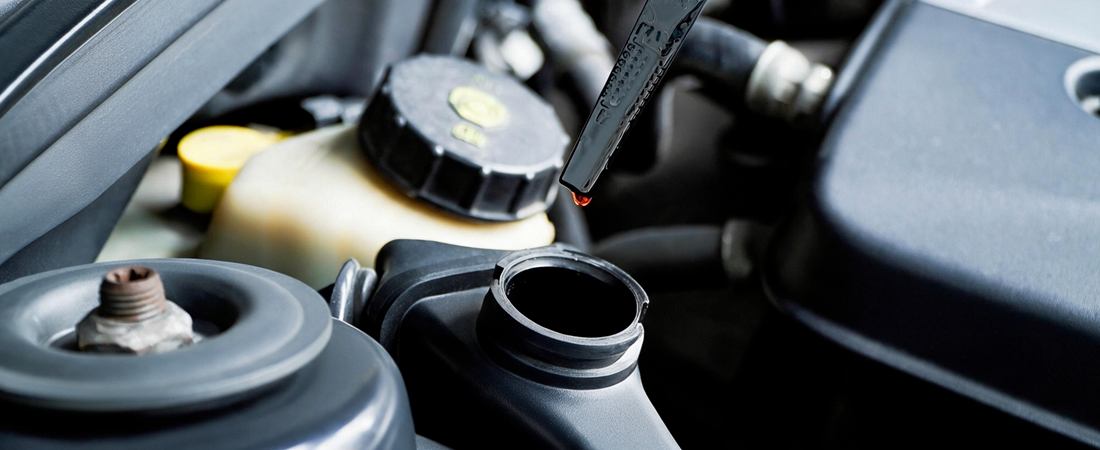
One of the system's greatest enemies is degraded, worn-out, and contaminated hydraulic fluid. Over time, microscopic metal shavings forming on the internal surfaces of the pump, rubber particles torn from wearing gaskets, and moisture resulting from temperature changes in the system spoil the fluid's chemical structure, causing it to lose its fluidity.
Because contaminated hydraulic fluid cannot fulfill its lubrication and cooling duties, it leads to excessive friction and rapid wear of the moving parts inside the pump. Similarly, a drop in fluid volume due to minor leaks in the system paves the way for the pump to draw air, run dry, and burn out completely.
Snapping or Wearing of the Pump Belt
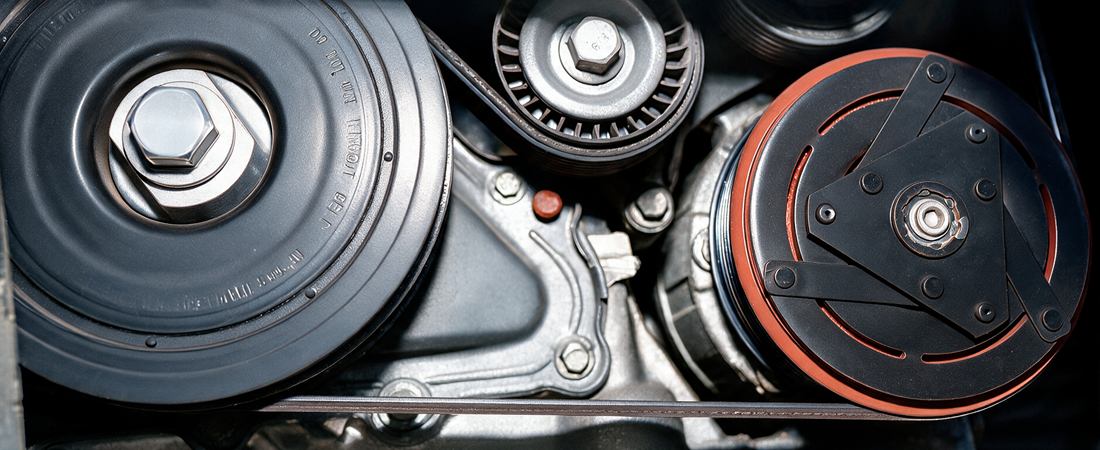
The steering pump receives the rotational drive it requires via a V-belt or serpentine belt connected to the engine's crankshaft. Because this belt operates under constant tension, high RPMs, and engine heat, it can lose its elasticity, crack, or loosen over time to the point where it cannot perform its duty.
When the belt stretches, it begins to slip on the pulley and cannot transfer sufficient operational speed to the pump. In this scenario, you will notice the steering suddenly heavying and a high-pitched squealing sound coming from under the hood. If the belt snaps completely, the operation of the pump stops instantly, and all hydraulic steering assistance disappears within seconds.
Air Entering the System
Air entering a closed-circuit hydraulic pressure system is a serious source of failure that makes transmitting mechanical force nearly impossible. Cracked or hardened hoses, loosened connection clamps, or worn-out pump seals are the main weak points allowing unwanted outside air to seep into the system.
Because air bubbles mixed into the fluid are compressible by nature, they absorb the pressure generated by the pump like a sponge and prevent it from reaching the steering box. As these air bubbles circulate within the system, they cause severe humming noises and lead to momentary catching or stiffening in the steering wheel while maneuvering.
Failure to Perform Regular Maintenance
As with all mechanical parts, neglecting periodic maintenance is one of the most common causes of steering pump failure. Vehicle owners generally pay attention to essential elements such as engine oil or brake fluid, while tending to completely ignore power steering fluid replacement intervals and general system checks.
Failing to replace aging hoses on time, not routinely checking fluid levels, and ignoring minor noises heard while driving are among the biggest mistakes. Minor issues that could initially be resolved with a simple fluid change or clamp tightening grow due to lack of maintenance, turning into major expenses that require a complete pump replacement.
What Should Be Done in Case of Steering Pump Failure?
When you suddenly feel a problem with your steering system while driving, it is extremely important to remain calm and apply the correct intervention steps in order. There are essential steps you need to take to prevent potential accidents and avoid causing further damage to the vehicle.
Pulling the Vehicle to a Safe Place
The moment you notice sudden heaviness in the steering or a severe friction noise from under the hood, your first action should be to pull the vehicle to the right side of the road or a safe parking area without endangering traffic flow. Trying to change lanes or enter sharp turns at high speeds without power steering support can lead to a total loss of vehicle control.
After bringing the vehicle to a safe stop, you should turn off the engine immediately to terminate the pump's operation. This prevents the internal components of the pump from continuing to rotate and completely shattering or burning out, especially if there is no fluid left in the system or a physical blockage has occurred.
Checking the Hydraulic Fluid Level
Upon opening the engine hood, the first inspection you should make is to locate the hydraulic fluid reservoir, which usually has a steering wheel icon or text on its cap. By looking at the minimum and maximum indicator lines on this reservoir made of transparent plastic, you can quickly verify visually whether there is sufficient fluid remaining in the system.
If the fluid level has dropped below the minimum line or the reservoir is completely dry, you should definitely not restart the vehicle and continue driving. If you have a hydraulic fluid compatible with your vehicle's specifications, you can make a temporary top-up; however, in the case of a severe leak, the added fluid will drain quickly, offering only a short-distance solution for maneuvers like loading the car onto a tow truck.
Getting Support from a Professional Service
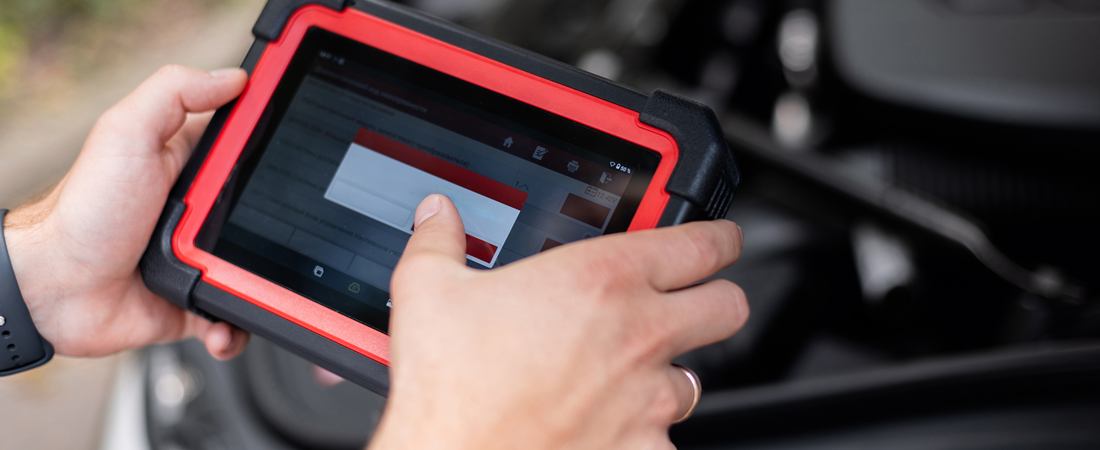
If there is a fluid deficiency, a broken belt, or intense mechanical noise, instead of forcing the vehicle using your own muscle strength, you should transport it to a trusted service via a professional tow truck. Steering pump and hydraulic system failures involve complex diagnostic processes requiring special pressure testing equipment and deep technical knowledge.
Expert technicians can measure the operating pressure and flow rate in the system to determine definitively whether the problem stems from the pump, hoses, or the steering box itself. Incorrect interventions or adding inappropriate fluids—like engine oil—based on hearsay will cause the entire hydraulic installation to break down, making professional care the most reliable path.
Frequently Asked Questions About Steering Pump Failure
Problems vehicle owners encounter with hydraulic steering systems are mostly shaped around cost, repair possibilities, and service life. The most curious details and common misconceptions regarding steering systems are explained below.
Can a Vehicle Be Driven with a Faulty Steering Pump?
Although driving a vehicle with a faulty pump remains mechanically possible as long as you can turn the wheels, it is strictly unsafe and not recommended. Because hydraulic assistance is lost, the steering becomes excessively heavy, your maneuverability drops to zero, and your chances of swerving around obstacles in emergency situations are completely eliminated.
In addition, forcing the vehicle to operate in a damaged state causes metallic debris broken off inside the pump to travel directly to the sensitive valves of the steering box. This scenario turns a simple failure that could be solved with just a pump replacement into a much more expensive and cumbersome bill requiring a complete overhaul of the steering box as well.
Can a Steering Pump Be Repaired?
In many failure scenarios, repairing or overhauling this broken component in professional workshops is possible. If the problem is solely due to dried-out internal seals, torn O-rings, or worn gaskets, these sealing parts can be replaced to make the pump leak-proof again for long-term, trouble-free use.
However, if deep scratches have formed on the pump body, internal rotor vanes are broken, or the shaft axis is bent, repair offers no permanent solution. In cases of severe mechanical damage like these, repair costs approach the price of a new part, so technicians strongly recommend replacing the pump with a new one for driving safety.
How Much Does a Steering Pump Repair Cost?
The resulting repair bill varies across a wide price range depending on your vehicle's make and model class, the extent of the damage, and the chosen solution method. Merely replacing a stretched drive belt or fixing a minor hose leak can be handled on relatively low budgets.
If a complete replacement or overhaul of the pump is required, costs can reach thousands depending on whether an original, aftermarket, or used replacement part is selected. Additionally, new hydraulic fluid, system flushing, and labor fees added to these procedures play a significant role in determining the total repair cost.
What is the Lifespan of a Steering Pump?
Under standard operating conditions, the average lifespan of a quality steering pump generally ranges between 150,000 and 200,000 kilometers. Factory standards, the casting quality of the metals used, and the overall engineering of the system are the primary variables directly affecting this period.
However, this expected lifespan depends entirely on the driver's habits and maintenance discipline. Continuously holding the steering wheel turned all the way to its lock while parking, driving constantly on rough roads, and failing to replace hydraulic fluid on time can reduce the lifespan of this mechanism by half, inviting early failures.
How Often Should Power Steering Fluid Be Changed?
Power steering fluid does not have an infinite chemical life and, according to general technical recommendations by vehicle manufacturers, must be completely drained and renewed on average every 50,000 to 80,000 kilometers. Even if you do not use your vehicle frequently and these kilometer limits are not reached, changing this fluid every 3 to 4 years is strongly recommended to prevent chemical oxidation.
Periodically opening the hood to check the color and smell of the oil in the fluid reservoir is the most practical method. If the fluid—which should be clear and generally in shades of red or pink—starts turning black, muddy, or emitting a burnt smell, changing it immediately without waiting for the specified period is the right step to protect the mechanical health of the pump.
In conclusion, failures occurring in the steering pump are not just simple issues ruining driving comfort; they are critical mechanical problems directly threatening your road safety. Paying attention to warning signals given by your vehicle—such as steering stiffening, unusual noises during maneuvers, or fluid dripping onto the ground—will protect you from massive repair costs and potential accident risks. Not neglecting regular fluid changes, carrying out system maintenance on time, and consulting an expert service at the slightest suspicion will ensure your steering system fulfills its duty smoothly and quietly for many years.