





Glow plug failure directly reveals itself through distinct symptoms such as diesel-powered vehicles struggling to start, especially in cold weather, prolonged cranking times, rough engine responses, and white smoke emitting from the exhaust. When this critical component, which fails to provide the ideal temperature required during the initial engine start, loses its function, the warning light on the instrument panel illuminates to directly alert the driver. Closely monitoring the health of this equipment, which ensures a smooth start to the day for a diesel engine, is the first step that must be taken to protect the vehicle's performance and prevent larger mechanical expenses.
What Is a Glow Plug?
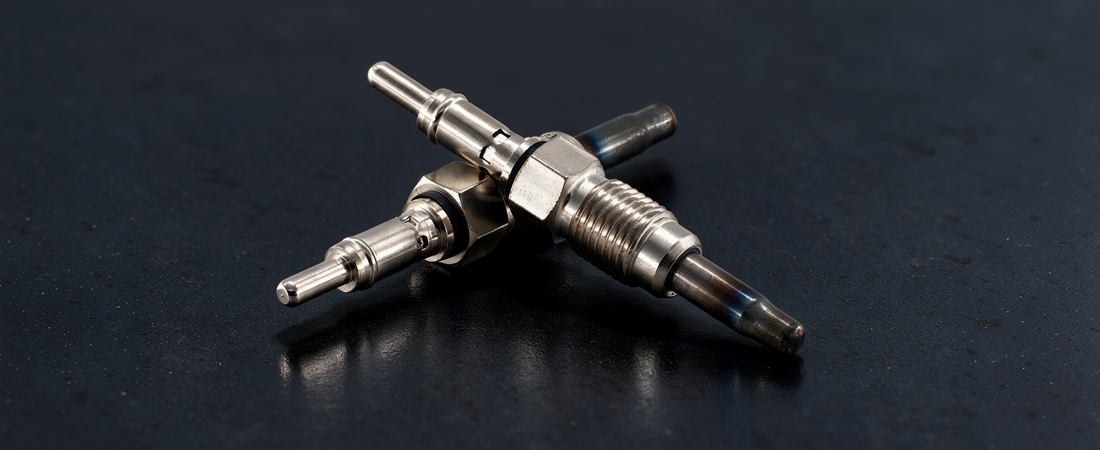
Specific to diesel-powered vehicles, a glow plug is a thin, pencil-shaped heating element that brings the air in the engine's combustion chamber to the ideal temperature, allowing the fuel to ignite easily. Also known as a pencil plug or heating plug, this mechanical component is mounted into the cylinder head and extends directly into the combustion chamber.
Operating under a completely different principle than spark plugs in gasoline engines, this component converts electrical energy into intense heat instead of producing a spark. Its tip reaches temperatures of hundreds of degrees within seconds, preparing the ideal thermal environment required for the self-detonation of the air-fuel mixture compressed by the pistons.
What Does a Glow Plug Do?
By nature, diesel engines ignite fuel not with a spark, but by spraying fuel onto highly compressed, hot air under high pressure. Especially when the engine is cold or the ambient temperature is below zero, the air inside the cylinder cannot reach sufficient heat through compression movement alone, which makes starting the engine physically impossible. At this critical point, the glow plug steps in, bringing the combustion chamber to ideal temperature values within seconds.
Thus, it guarantees a smooth, vibration-free, and fast engine start in cold weather. At the same time, by preventing inefficient combustion during the initial start and reducing harmful exhaust emissions, it makes a significant contribution to helping the engine complete its warm-up process more quietly and environmentally friendly.
How to Identify Glow Plug Failure?
When a problem occurs in the ignition and initial warm-up system of your diesel vehicle, noticeable structural changes appear in the engine's operating characteristics and exhaust emissions. Reading these changes and the vehicle's responses correctly is the most important stage to pay attention to in order to detect the problem before it escalates.
Hard Engine Starting or Failure to Start At All
If you have to crank the engine for much longer than normal when starting the vehicle in the morning, especially during winter months, it means the glow plugs are unable to perform at full capacity. Because the air inside the cylinder is not sufficiently heated, the injected diesel fuel struggles to ignite, delaying the engine's initial start. In cases where the weather is extremely cold, because the heat threshold in the combustion chamber cannot be overcome, the engine may refuse to react altogether and fail to start. This is generally the clearest mechanical indicator that multiple glow plugs have lost function simultaneously.
White or Gray Smoke Emitted from the Exhaust
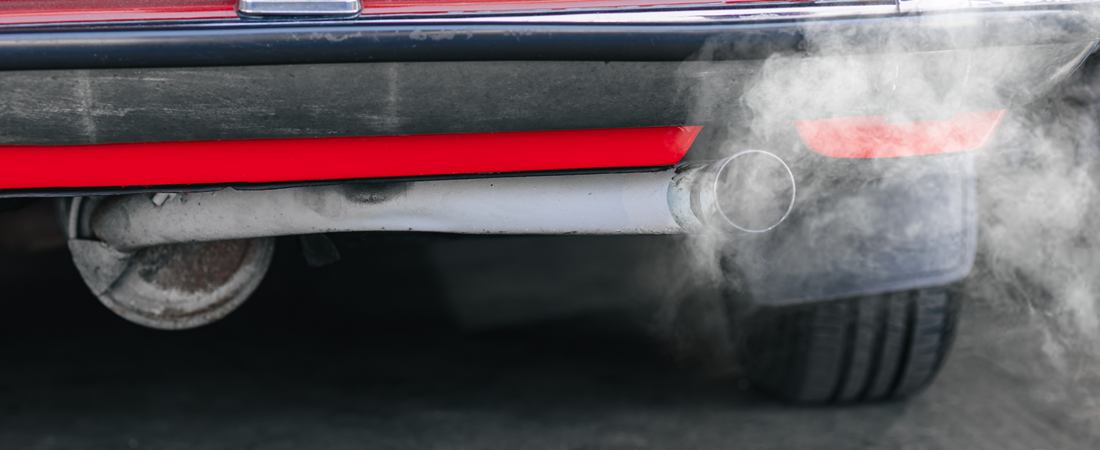
Dense white or gray smoke emitting from the exhaust when cranking a cold engine is a common symptom of failure. Because the combustion chamber is not warm enough, the diesel sprayed into the cylinder cannot burn completely and is forced out of the exhaust system raw.
The process of expelling raw fuel creates certain characteristic conditions in the vehicle:
- Unburned fuel condenses, forming a thick cloud of white smoke at the exhaust output.
- A sharp, irritating, and pungent diesel smell is felt within the waste gases.
- This smoke disappears on its own once the engine increases its own temperature and reaches its ideal operating heat.
The complete cessation of smoke after the engine warms up conclusively confirms that the issue stems directly from the initial starting and heating system.
Engine Running Rough and Noisily
Although a healthy diesel engine naturally operates with a bit of noise during the initial start, a faulty glow plug turns this into a severe vibration that shakes the entire vehicle. When combustion occurs in some cylinders but fails in the cylinder with the faulty glow plug, the engine's entire operational balance is disrupted, leading to misfires. Noticeable from inside the cabin at idle, this vibration sets the stage for engine parts to produce metallic, loud knocking sounds as if hitting one another.
Noticeable Drop in Vehicle Performance
Faulty plugs adversely affect the driving dynamics of the vehicle not only during the initial start, but also throughout the process until the engine reaches ideal operating temperature. When stepping on the accelerator pedal, the vehicle does not respond with the expected agility, and there is a serious unwillingness to accelerate. Due to incomplete combustion efficiency, the engine cannot produce full power, which is felt by the driver as a clear loss of traction, especially during hill starts.
Glow Plug Light Flashing on the Instrument Panel
The glow plug light, which has a helical coil shape on the vehicle's instrument panel, normally turns on when the ignition is switched on and turns off within seconds to indicate that the engine can be cranked. However, when an electrical or mechanical fault is detected in the system, the engine control unit keeps this light continuously illuminated or makes it flash while driving to warn the driver. In modern vehicles, this warning light exhibiting different behaviors means that the fault has been electronically stored in memory.
What Are the Causes of Glow Plug Failure?
Because glow plugs operate under extremely harsh thermal and chemical conditions inside the engine block, structural deformation over time is inevitable. Behind these failures lie not only the component's natural wear-and-tear processes, but also external factors and usage errors that damage the system.
Component Exceeding Its Lifespan
Like every mechanical and electronic part, glow plugs have a specific endurance lifespan determined by the manufacturer. Continuous exposure to a cycle of extreme heating followed by rapid cooling causes the internal heater resistance wire to weaken and eventually break over time. As mileage accumulates, the natural material fatigue of these parts is the most common and entirely expected cause of failure.
Soot and Carbon Buildup at the Tip
Carbon particles resulting from the combustion of fuel in diesel engines accumulate over time as a layer on the glowing tip of the plug located directly in the combustion chamber.
The damages this carbon buildup inflicts on the structure and operation of the component are as follows:
- A thick layer of soot blocks the intense heat produced by the plug from transferring to the air in the combustion chamber.
- Excessive carbonization creates an uneven heat distribution at the tip of the part, leading to premature melting of the metal.
- Deposits thicken the body of the plug, causing it to seize in the cylinder head and snap during removal for replacement.
The heavy soot formation in question usually stems from continuously operating the vehicle at low RPMs, in traffic, or over very short distances before the engine reaches full operating temperature.
Electrical Short Circuits and Relay Issues
There is an electronic control module and relay system that manages the glow plugs and determines how long current will be supplied. When this relay fails, either no electricity reaches the plugs at all, or continuous electricity continues to flow even after the engine has started. Exposing the plugs to high electrical current for longer than necessary causes their tips to overheat, swell, lose form, and even melt completely, causing a short circuit.
Use of Low-Quality Fuel
Using non-standard, high-sulfur diesel fuel or low-quality fuel mixed with water disrupts the entire chemical balance in the combustion chamber. The aggressive chemical byproducts resulting from low-quality fuel failing to burn ideally cause severe corrosion on the outer surface of the plug, breaking down the part's resistance and shortening its lifespan. At the same time, sudden extreme temperature fluctuations in the combustion chamber lay the groundwork for the plug to lose its physical integrity.
Errors Made During Removal or Installation
Incorrect mechanical procedures applied during periodic maintenance or engine repairs can cause plugs to fail in a very short time. Applying more torque force than specified by the manufacturer when fitting the component leads to thread damage or cracking of the plug's delicate internal structure. Additionally, forcing a new part into place without cleaning soot from the plug well prevents the plug from seating properly, causing it to fail before performing its function healthily.
What Problems Does a Glow Plug Failure Cause in a Vehicle?
Seemingly a simple cold-start assistant, this component can cause chain-reaction damage to other complex engine systems when it breaks down and its repair is ignored. Postponing repairs leads to larger consequences that directly threaten driving safety, engine health, and budget economy.
Increased Fuel Consumption
When the ideal temperature and pressure environment cannot be provided in the combustion chamber, the engine control unit sends significantly more fuel than normal to the cylinders to prevent the vehicle from stalling and to help it warm up quickly. Inefficient combustion causes fuel drawn from the tank to be expelled raw without converting into mechanical energy. This results in a noticeable and costly increase in the vehicle's fuel consumption curve, especially during winter months.
Excessive Strain on the Battery and Starter Motor
When a cold engine fails to start on the first try, drivers naturally tend to crank the engine repeatedly and for prolonged periods. These long and exhausting cranking times deplete the battery's energy rapidly, damage internal plates, and significantly shorten battery life. Furthermore, forcing the starter motor to rotate for minutes causes it to overheat; its internal gears and carbon brushes wear down quickly, leaving the driver facing a costly starter motor overhaul.
Diesel Particulate Filter (DPF) Clogging
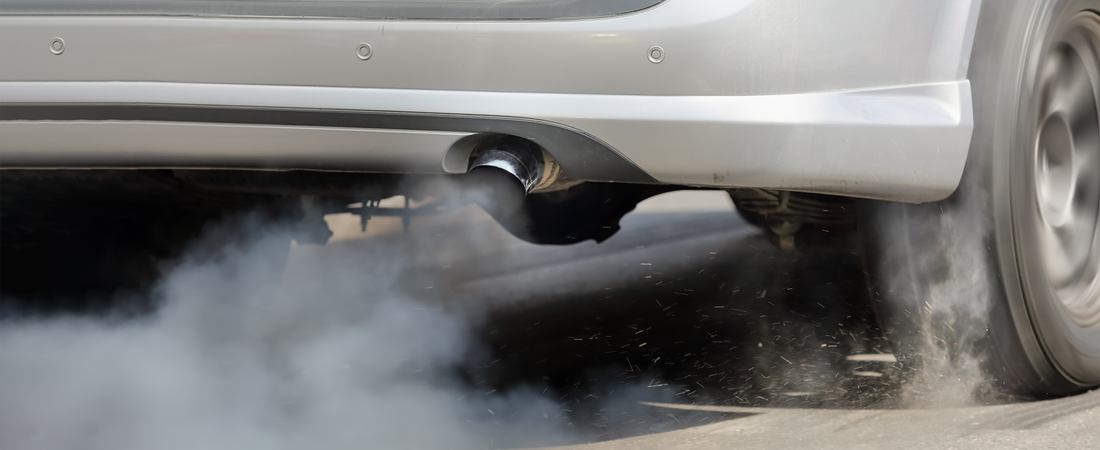
Due to faulty plugs, raw and unburned fuel smoke travels down the exhaust line and directly reaches the Diesel Particulate Filter (DPF), which serves as the emission control system. Producing far more soot and dirty particles than normal, this inefficient combustion process rapidly fills the filter's fine pores, rendering it dysfunctional. When the DPF fills with soot beyond its self-cleaning capacity, the filter becomes completely clogged, causing the vehicle to enter limp-home mode and restrict performance.
Risk of Being Stranded in Cold Weather
Glow plug failures usually reveal themselves dramatically when weather suddenly turns cold; when ambient temperatures drop below freezing, starting a diesel engine can become virtually impossible. The vehicle's inability to start from where it is parked leads to serious inconvenience, leaving the driver stranded during commute hours, emergencies, or severe winter conditions, and forcing them to call a tow truck.
How Are Glow Plugs Checked and Replaced?
In case of a suspected ignition fault, a systematic electrical inspection using proper equipment prevents the unnecessary replacement of functional parts. Once components are confirmed faulty, their replacement must be carried out with precise dimensions, specialized tools, and great mechanical care.
Resistance and Current Measurement with a Multimeter
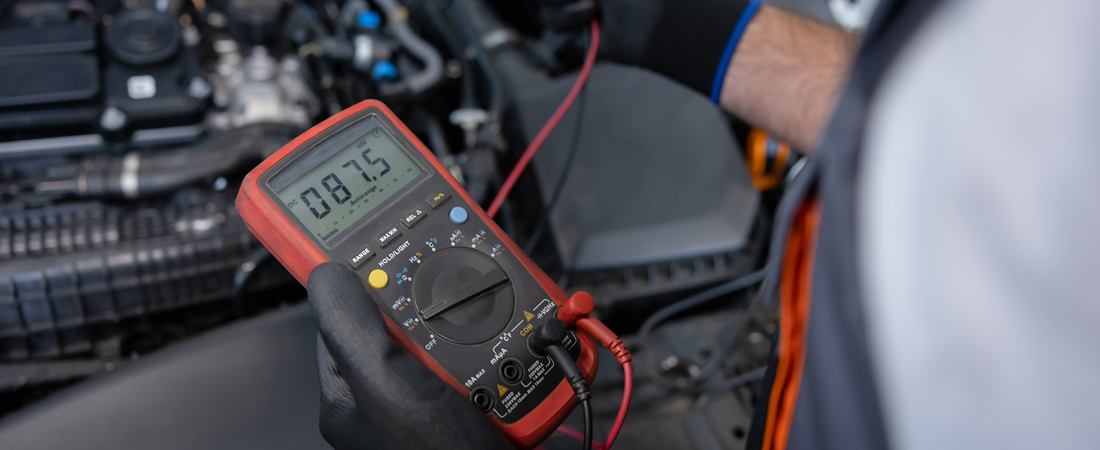
One of the most reliable and straightforward inspection methods is measuring the component's internal resistance using a digital multimeter. With the engine off, the electrical top connectors of the plugs are disconnected, and each plug's individual resistance value is read using multimeter probes. A functional glow plug typically shows a very low resistance below 1 ohm, whereas a broken, burnt out, or open-circuit plug displays infinite resistance on the multimeter, proving it is faulty.
Using a Diagnostic Tool (OBD)
In vehicles with modern electronic architecture, the engine computer records voltage fluctuations and open-circuit faults in the heating system into its memory in real time. Connecting an OBD diagnostic scanner to the vehicle's diagnostic port allows Diagnostic Trouble Codes (DTC) in the control unit to be read and analyzed. Thanks to this tool, whether the issue lies directly within the plugs themselves or in the glow plug control module (relay) can be clearly determined without any disassembly.
Removing the Old Plug with Proper Torque
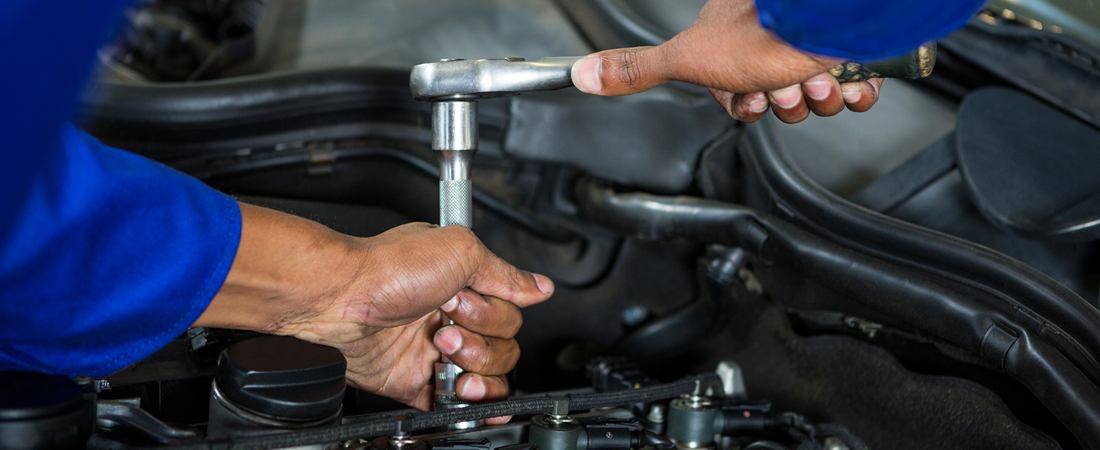
When replacement is decided, the most critical and skill-requiring step of the procedure is removing the old part from its seat. Performing the removal while the engine is warm reduces carbon binding due to metal expansion and helps prevent the plug from snapping. After soaking the well with high-penetration rust-penetrating spray, the plug is slowly and steadily loosened from the cylinder head using an appropriate removal torque without rushing. A plug that snaps by fusing inside the cylinder head leads to severe repairs, potentially requiring complete removal of the cylinder head and machining work.
Installing the New Plug with a Torque Wrench
After the removed component's well is cleared of all internal soot using specialized cleaning reamers, the process advances to safe assembly. High-temperature ceramic or copper anti-seize grease is typically applied to the threads of the new glow plug to prevent fusing. The part is then hand-threaded into its seat and never overtightened using arbitrary force with a standard wrench; the process is safely completed by tightening with a calibrated torque wrench set to the precise Nm (Newton meters) value specified by the vehicle manufacturer until a "click" sound is heard.
Frequently Asked Questions About Glow Plugs
There are several critical technical details that diesel vehicle owners wonder about regarding winter maintenance and potential ignition failure situations. Correctly answering these technical questions guides healthier vehicle usage and cost reduction.
Can a Vehicle Be Driven with a Faulty Glow Plug?
Once the vehicle manages to start after significant effort and the engine reaches its ideal operating temperature, continuing to drive is technically possible. However, if this forced operation becomes continuous, severe chain-reaction problems such as raw fuel expulsion, DPF clogging, excessive fuel consumption, and starter motor failures become inevitable. Therefore, addressing the failure as soon as it is noticed is essential to protect mechanical integrity.
What Is the Average Lifespan of a Glow Plug in Kilometers?
Although the endurance lifespan of this component varies depending on climate conditions, the daily number of engine starts, and fuel quality, it generally ranges between 80,000 and 120,000 kilometers. In vehicles continuously used in dense city traffic or over short distances before the engine fully warms up, this lifespan can be much shorter; conversely, in engines primarily driven on long trips at ideal temperatures, part lifespan can extend significantly.
Are Glow Plugs Present in Gasoline Vehicles?
No, glow plugs are strictly not present in gasoline engine systems. Gasoline vehicles require a continuous ignition spark to ignite the air-fuel mixture inside the cylinder, a task performed by spark plugs. Glow plugs are technological components unique to diesel engines, which by design operate on high-pressure compression principles and require direct heat instead of a spark.
Should All Glow Plugs Be Replaced as a Set?
Yes, the healthiest method always recommended by automotive experts and manufacturers is replacing all glow plugs simultaneously as a set. While replacing only the single broken or blown plug may seem like a short-term, economical solution at the moment, the remaining plugs share the exact same wear history and will fail individually shortly after. Replacing them as a set balances heating across all cylinders, guaranteeing much more stable and smooth engine operation.
What Should Be Done If the Glow Plug Light Stays On Continuously?
If this yellow coil-shaped light stays continuously illuminated or flashes rhythmically while driving or while the engine is running, it indicates a critical fault in the ignition system, glow plug relay, or emission control valves. When this warning appears, driving the vehicle without pushing high RPMs and consulting a qualified mechanic or authorized service center as soon as possible for OBD diagnostic testing is the correct step to take to prevent potential major engine damage.
In summary, the glow plug is a vital mechanical component playing a key role in the initial cranking and warm-up process of diesel engines, directly impacting the heart of the vehicle. Failures in this component lead to many frustrating consequences ranging from severe starting difficulties and noticeable changes in exhaust smoke to significantly increased fuel consumption and particulate filter clogging. Accurately observing initial symptoms on the vehicle and replacing plugs as a set using quality spare parts at correct torque values extends overall engine health and lifespan, offering a much safer and more enjoyable driving experience.