






- What Is a Coolant Temperature Sensor?
- What Does a Coolant Temperature Sensor Do?
- How to Identify a Coolant Temperature Sensor Failure?
- What Are the Main Causes of Coolant Temperature Sensor Failure
- What Should Be Done in Case of Coolant Temperature Sensor Failure?
- Frequently Asked Questions About Coolant Temperature Sensor Failure
Coolant temperature sensor failure can easily be understood through clear symptoms such as the temperature gauge needle on the vehicle's instrument panel suddenly rising and falling, the engine fan running unnecessarily, or failing to engage at all despite the vehicle overheating. When this sensor—which measures the temperature of the engine coolant and transmits it to the engine control unit—malfunctions, the vehicle's computer cannot perceive how hot the engine is, and many systems from ignition timing to fan control begin to operate incorrectly. Additionally, sudden increases in fuel consumption, the vehicle stalling while idling, and black smoke emitting from the exhaust are key indicators confirming the failure. Proper operation of this small sensor is of vital importance for your driving safety and the longevity of parts located at the heart of the engine.
What Is a Coolant Temperature Sensor?
A coolant temperature sensor is an electromechanical sensor that instantaneously measures the temperature value of the engine coolant in internal combustion engine vehicles and converts this acquired physical data into an electronic signal, sending it to the Engine Control Unit (ECU). Positioned on the engine block or thermostat housing in direct contact with the fluid flow, this part is manufactured using special resistor materials called thermistors, which are extremely sensitive to temperature changes.
As the water inside the engine warms up or cools down, the internal resistance of the sensor changes, and this change becomes a readable voltage signal for the vehicle's computer. This component is also referred to in the industry as the Engine Coolant Temperature Sensor (ECT). Collecting uninterrupted information so that the vehicle can move safely and efficiently, the coolant temperature sensor acts as a sort of primary thermometer for the engine.
What Does a Coolant Temperature Sensor Do?
The coolant temperature sensor transmits data regarding the coolant temperature to the engine control unit, ensuring that the vehicle's fuel-air mixture ratio, ignition timing, and cooling system are managed at ideal levels. When the engine is first started, it is cold and requires a rich fuel mixture until it warms up; thanks to the information coming from the sensor, the computer precisely adjusts how much fuel is sent to the injectors. Once the vehicle reaches its ideal operating temperature, it returns the mixture ratio to normal to reduce fuel consumption and emissions.
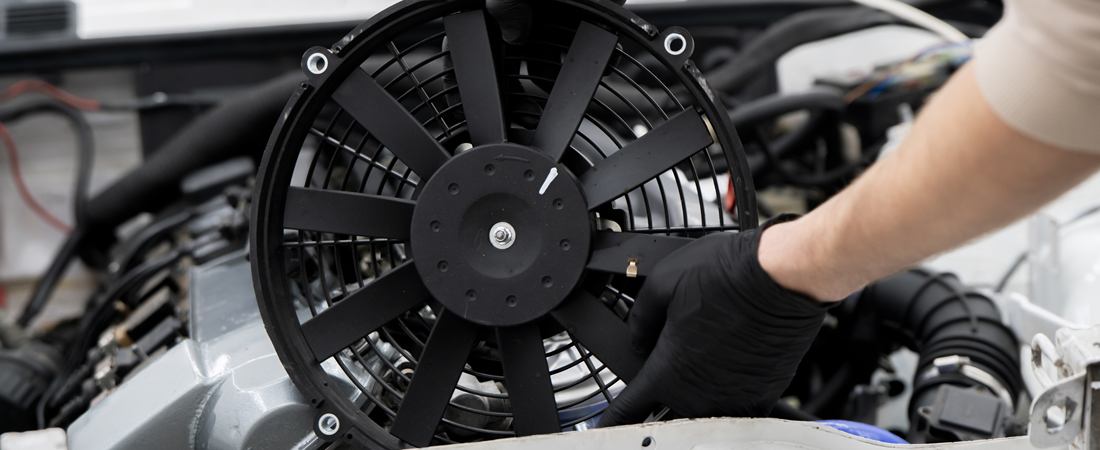
Furthermore, the coolant temperature sensor is the main hub determining exactly at what degree the radiator fan operating to prevent the engine from overheating will engage and when it will turn off. The correct operation of the temperature gauge on the instrument panel in front of the driver depends entirely on this sensor transmitting instantaneous and healthy data.
How to Identify a Coolant Temperature Sensor Failure?
When your vehicle's coolant temperature sensor begins to lose its function, certain distinct abnormalities arise during driving because the engine management system acts on incorrect data. If this sensor fails, critical symptoms warning the driver are observed both on the instrument panel on the front console and in the vehicle's mechanical performance.
Sudden Fluctuations in the Engine Temperature Gauge
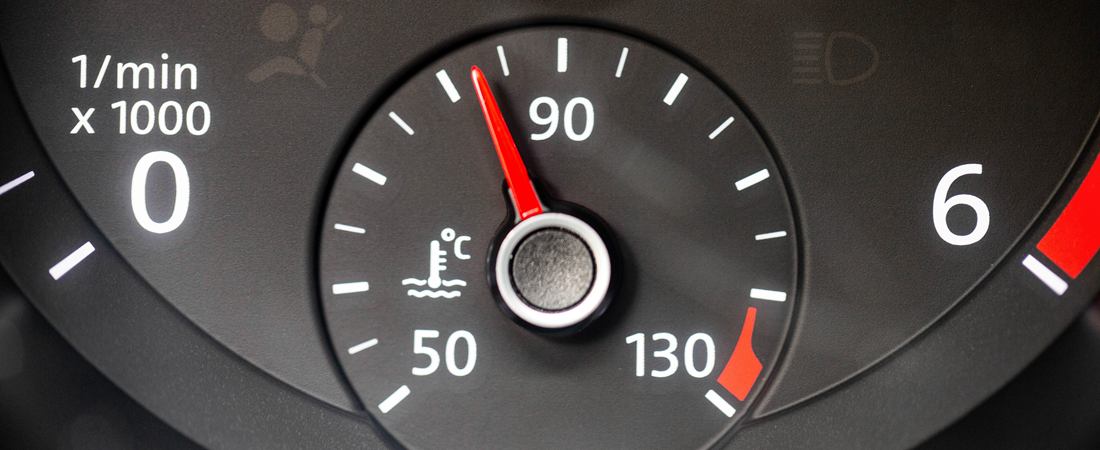
If the temperature gauge needle on the front panel shoots up to the red zone or drops entirely to zero within seconds while driving—when it should remain stable—you can clearly suspect that the sensor has failed. The breakdown of the resistance reading capability within the sensor's internal structure causes completely different temperature signals to reach the engine computer.
These types of sudden and inconsistent movements on the gauge, even though the actual engine temperature has not changed, stem from the part's inability to transmit data electrically rather than a mechanical problem.
Irregular Operation or Complete Inoperation of the Engine Cooling Fan
If your vehicle's cooling fan engages while the engine is still completely cold or fails to respond even when the vehicle is overheating, the coolant temperature sensor may be faulty. Erroneous temperature data from the sensor causes the engine control unit to transmit wrong commands to the fan relay.
The engine computer, assuming the vehicle has reached 120 degrees, may run the fan at the highest RPM. In the opposite scenario, even if the engine reaches boiling point, it assumes the temperature is still low, never turning the fan on and causing the vehicle to overheat.
Hard Engine Starting or Stalling at Idle
If cranking takes much longer than normal when starting your vehicle in the morning, and the engine stumbles and shakes before stalling right after barely starting, a sensor failure may be occurring. A healthy coolant temperature sensor informs the computer that the engine is cold in the morning, enabling a richer fuel setting.
If a faulty sensor sends information that the engine is already warm, insufficient fuel is sprayed inside. Due to this lean fuel mixture, the engine struggles significantly to ignite and turns off, unable to maintain idle RPM.
Abnormal Increase in Fuel Consumption
If your vehicle starts consuming significantly more fuel while driven on the same route and with the same driving style as before, this may indicate a failure in the temperature sensor. If the sensor continuously produces a fixed, erroneous signal indicating that the engine is cold, the electronic control unit constantly sends extra fuel to the cylinders in order to warm the engine as soon as possible.
An engine running continuously on a rich mixture burns more gasoline or diesel than its current need, emptying your fuel tank much faster and reducing the overall efficiency of the vehicle.
Black Smoke Emitted from the Exhaust

Overfeeding the engine with more fuel than necessary due to a failed coolant temperature sensor causes this excess fuel to fail to burn completely inside the cylinders. The enriched fuel mixture that cannot be converted into energy in the combustion chamber passes through the exhaust system and is expelled outside.
This dense, unburned gas expelled outside turns into distinct and dark black smoke. Continuous black smoke coming from the exhaust while the vehicle is idling or when stepping on the gas confirms the presence of a sensor-related problem.
What Are the Main Causes of Coolant Temperature Sensor Failure
Like all other electronic components in automobiles, the coolant temperature sensor can fail over time due to various environmental factors or structural degradation. The main problems causing the component to interrupt proper data flow generally stem from connection issues, oxidation, or material fatigue.
Damage or Breaks in Wiring and Connector Connections
Wiring extending from the coolant temperature sensor to the engine computer may harden, crack, or strip at connection points over time due to exposure to high heat emitted by the engine block and road vibrations. Crushing in these wires or short circuits inside the connector lead to incorrect data reaching the computer, even if the sensor itself is intact. In case of a break, the system receives no temperature data, and the engine puts itself into automatic protection mode.
Oxidation and Contamination at Sensor Tips
Failing to replace the engine coolant or filling the system with tap water instead of antifreeze leads to rust, limescale, and corrosion buildup in the fluid line. These harmful deposits coat the tip of the coolant temperature sensor—which is in direct contact with the fluid—creating a thick, insulating layer around the sensor. A sensor with a contaminated and rusted tip delays detecting temperature changes in the fluid and reads incorrect values.
Part Exceeding Its Physical Lifespan
As with every automobile component, the coolant temperature sensor has a specific endurance threshold and physical lifespan. Exposed to extreme heat, sudden cooling, and high fluid pressure for years, the thermistor material inside the sensor gradually loses its resistance. If the part completely completes its service life, outside intervention or cleaning will yield no benefit.
What Should Be Done in Case of Coolant Temperature Sensor Failure?
The moment you notice symptoms indicating that the coolant temperature sensor in your vehicle is failing, you need to resolve the issue quickly to prevent more severe and costly engine damage. There are professional diagnostic methods that must be applied step-by-step to reliably resolve this failure.
System Check with a Diagnostic Tool (OBD)
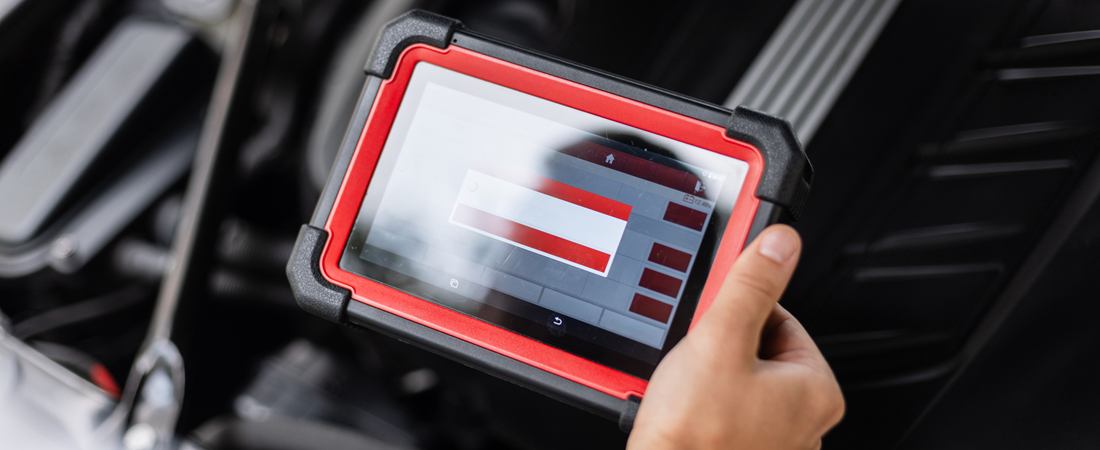
The first thing to do to find the exact cause of the failure in your vehicle is to connect the vehicle to a professional OBD (On-Board Diagnostics) scanner. This device connects to the engine control unit, scans the electrical values coming from the coolant temperature sensor, and displays fault codes on the screen indicating whether the part is throwing an error. The displayed fault codes guide the mechanic directly to the troubled point.
Inspection of Electrical Wiring and Connections
Even if the diagnostic tool shows a sensor error, the physical condition of the connectors going to the sensor should be inspected before immediately purchasing a new part. If there is looseness in connector pins, an oxide layer, or broken wires, simply repairing and cleaning these lines may solve the problem. The voltage flow in the wires is measured with a multimeter to ensure conclusively that the electrical wiring is intact.
Coolant Temperature Sensor Replacement at an Authorized Service
Once it is confirmed that there is no electrical problem and the internal structure of the coolant temperature sensor is degraded, the part is replaced with an original one. After a calibrated new sensor suitable for the vehicle's model is installed at a specialized service center, air is bled from the cooling system. Finally, old fault codes are cleared using the diagnostic scanner, and the vehicle is taken for a test drive.
Frequently Asked Questions About Coolant Temperature Sensor Failure
Because coolant temperature sensor issues can be unsettling for drivers, many questions arise regarding the potential risks and the resolution process associated with this failure. Answers to the most frequently asked detailed questions when encountering this failure are explained below.
Can a Vehicle Be Driven with a Faulty Coolant Temperature Sensor?
Although it is technically possible to start the engine and drive a vehicle with a faulty coolant temperature sensor, continuing to drive this way is extremely risky and strictly not recommended. When the sensor is faulty, the cooling fan may not engage when the vehicle overheats, causing the engine to overheat and blow head gaskets. To avoid risking being stranded on the road and incurring thousands of dollars in repair costs, the vehicle should be towed to a service center immediately.
Does Coolant Temperature Sensor Failure Cause Permanent Engine Damage?
If the failure is not noticed early and addressed, permanent damage that is very difficult to reverse can occur in the engine. If the fan does not turn on due to continuous incorrect data transmission and the engine severely overheats, the cylinder head gasket can blow, cracks can form in the engine block, or pistons can melt and seize. Such major damage caused by high heat requires the engine to be completely disassembled and overhauled (rebuilt).
Does Coolant Temperature Sensor Failure Cause Loss of Vehicle Traction?
When the coolant temperature sensor fails, the engine computer incorrectly adjusts the air and fuel mixture, resulting in a noticeable loss of traction and overall performance decline in the vehicle. Especially when climbing uphill on ramps, attempting to overtake, or during sudden acceleration, the engine reacts by bogging down, hesitating, or failing to respond to the throttle.
How Long Does Coolant Temperature Sensor Replacement Take?
Replacing a coolant temperature sensor is generally a quick, practical procedure depending on the accessibility of the sensor on the engine block. If the sensor is at an easily accessible point, removing the old part and installing the new one takes about 30 to 45 minutes; in more tightly designed engines where surrounding parts must also be removed, the process can take up to 2 hours.
In summary, coolant temperature sensor failure is a very serious mechanical problem that deeply affects vehicle performance, fuel economy, and overall engine health. When this part ensuring proper management of the cooling system breaks down; instrument panel errors, high fuel consumption, black smoke emission, and idle fluctuations occur. Since the complete inoperation of the coolant temperature sensor can lead to severe consequences such as the engine overheating and seizing, taking the vehicle immediately to an authorized service center for necessary checks and part replacement upon noticing any of the symptoms will be the safest solution.